
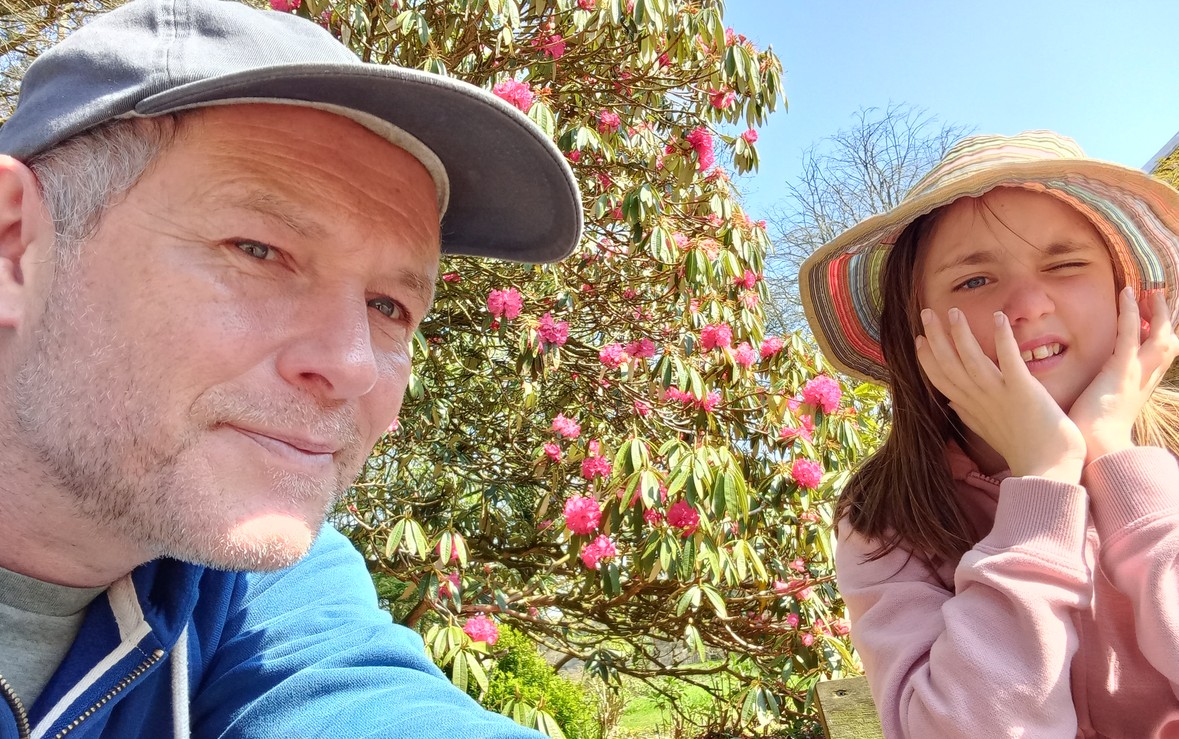
I remember the car park. Weird thing to remember, I know. But I can picture it exactly – the grey tarmac, the drizzle on the windscreen, the two of us sitting in the car after the appointment, not saying anything for a while.
We’d just been told Kya was autistic. Officially. The paediatrician had been kind, thorough, careful with her words. She’d explained things we already half-knew, confirmed things we’d suspected, and put a name to the feeling we’d been carrying around for months. And then it was over, and we were back in the car, and Kya was in the back seat playing with the zip on her coat like nothing had happened. Because for her, nothing had.
I waited for the wave of sadness. I’d read about it online – the grief, the denial, the anger. Parents describing diagnosis day as the worst day of their lives. I braced myself for it. But it didn’t come. What came instead was something I wasn’t expecting: relief.
Not relief that something was “wrong” – nothing was wrong. Relief that we finally had a framework. For two years, we’d been fumbling through well-meaning advice that never quite fit. “She’ll grow out of it.” “Have you tried being firmer?” “My nephew was like that and he’s fine now.” None of it landed because none of it was meant for us. It was meant for a different child with a different brain.
The diagnosis didn’t hand us a cure. It handed us a compass. Suddenly we could stop Googling in the dark at midnight and start reading the right books, talking to the right people, asking the right questions. The meltdowns in Tesco made sense. The way she covered her ears when the hand dryer started made sense. The purple cup, the same route to the park, the bedtime sequence – all of it, finally, made sense.
We told family that weekend. My mam cried. My dad went quiet. A few relatives said things like “are they sure?” and “she seems fine to me.” I understood where it came from – love, mostly, and a bit of fear. But I didn’t need them to understand it yet. I just needed them to trust that we did.
The first thing I did after the diagnosis was absolutely nothing. I didn’t rush out and buy sensory toys. I didn’t sign up for programmes. I just sat with Kya on the sofa that evening and watched her do what she always does – flick through a book, rearrange her things, find her rhythm. The same girl. The same evening. Just with a little more clarity.
I sometimes wonder what would have happened if we’d fought the diagnosis. If we’d spent years trying to make Kya fit a mould that was never meant for her. I’m glad we didn’t. I’m glad we took that piece of paper and saw it for what it was – not a verdict, but a key.
In the car park that day, after a long pause, I turned to my partner and said, “Well, at least now we know.” She nodded. Kya’s zip went up and down. And we drove home.
Share this story